Type of implant guide plate
Service process
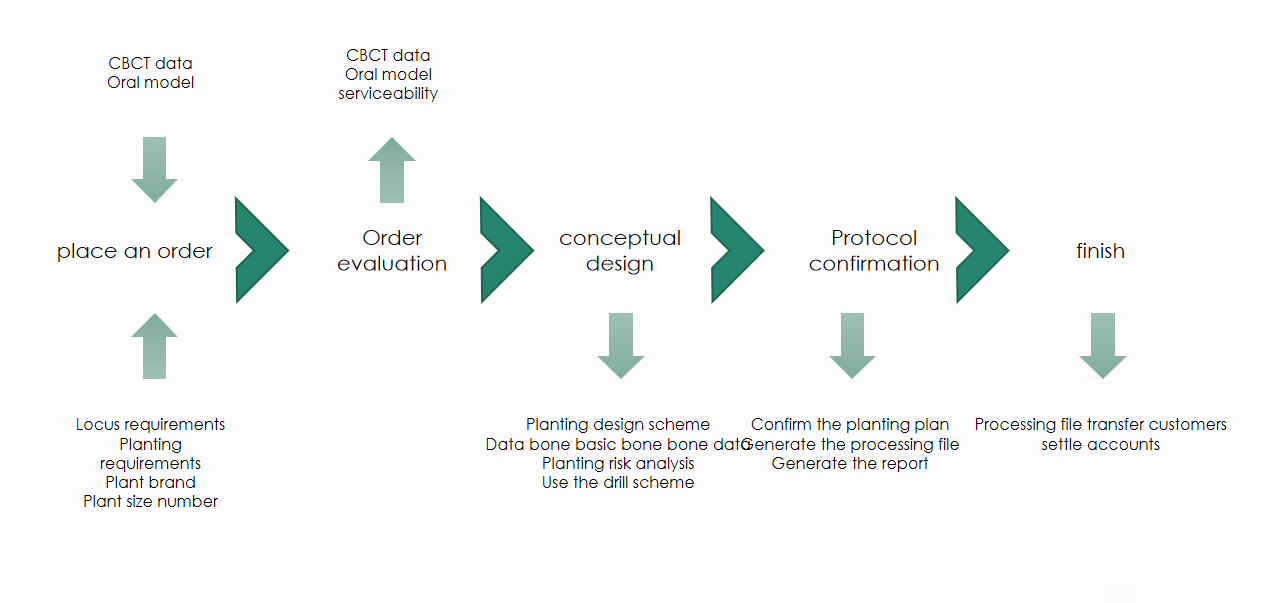
Digital Implant Guide Plate Workflow
Pre-Treatment Data Collection
To ensure maximum precision, two essential datasets must be collected:
- 1. Patient CBCT Scan (Recommended format: Multi-file DICOM)
- 2. Intraoral Data (Digital intraoral scan or high-precision plaster model)
⚠️ Critical Note: Data must be collected strictly according to our recommended guidelines. Inaccurate or blurry data will directly compromise the precision of the surgical guide, or may even prevent guide generation.
1. CBCT Scan Specifications
1.1 Open-Jaw Data: Capture scan with teeth separated.
1.2 Resolution: Ensure high spatial resolution; no motion blur or ghosting.
1.3 Appropriate FOV: Field of view must adequately cover the area of interest.
1.4 Artifact Control: Reduce metal-induced streaks and artifacts for optimal clarity.
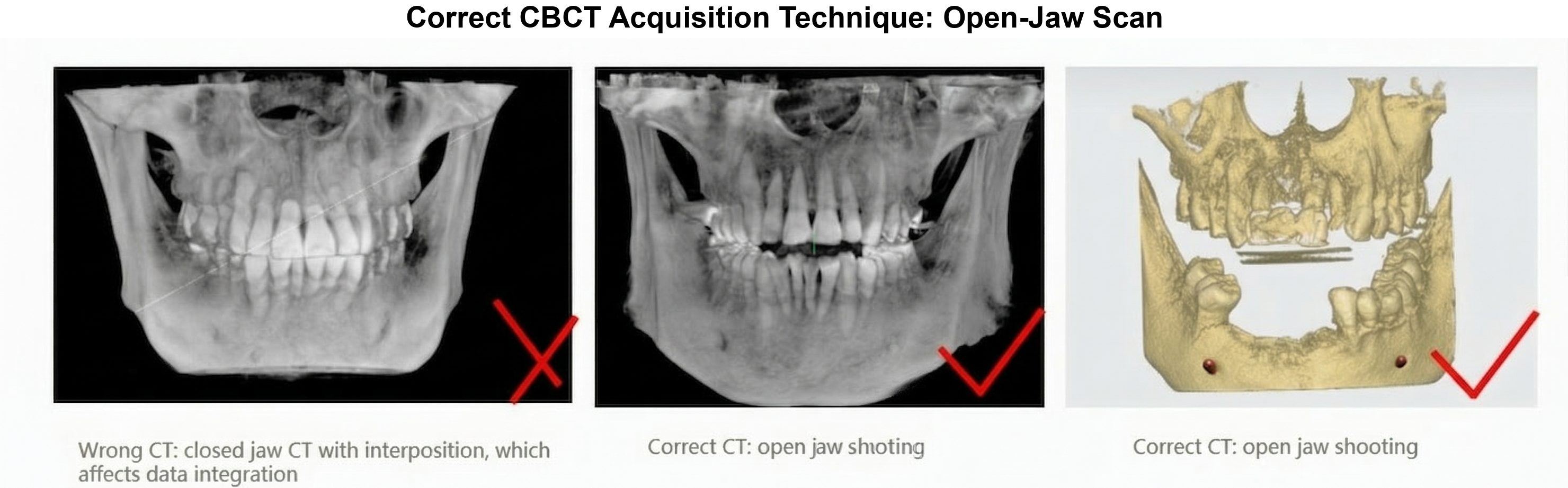
Note 1: The scan must be taken in an open-jaw state. Patients should bite on the CT jaw support or use bilateral cotton rolls to ensure clear separation of the upper and lower arches.
Note 2: For edentulous patients, the scan should be taken with a radiopaque dual-scan appliance in place using the specific occlusal protocol.
2. Intraoral Model Data Requirements
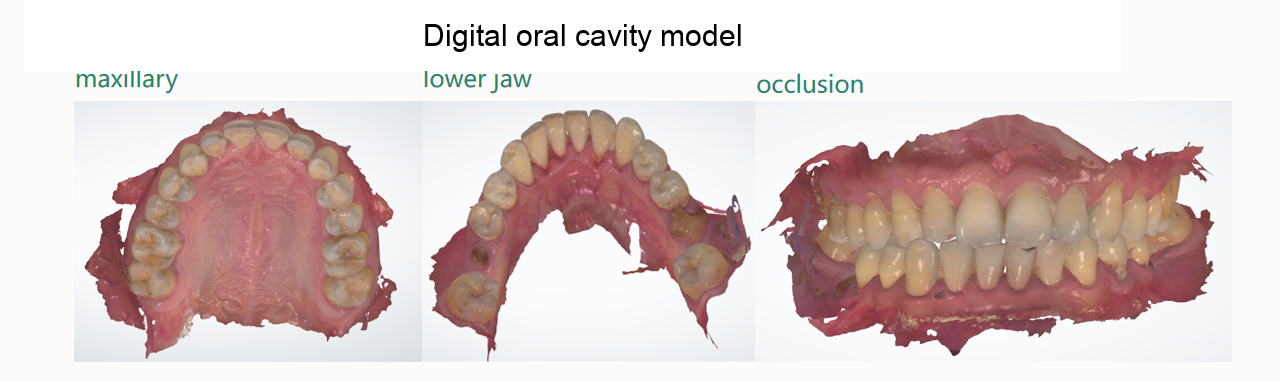
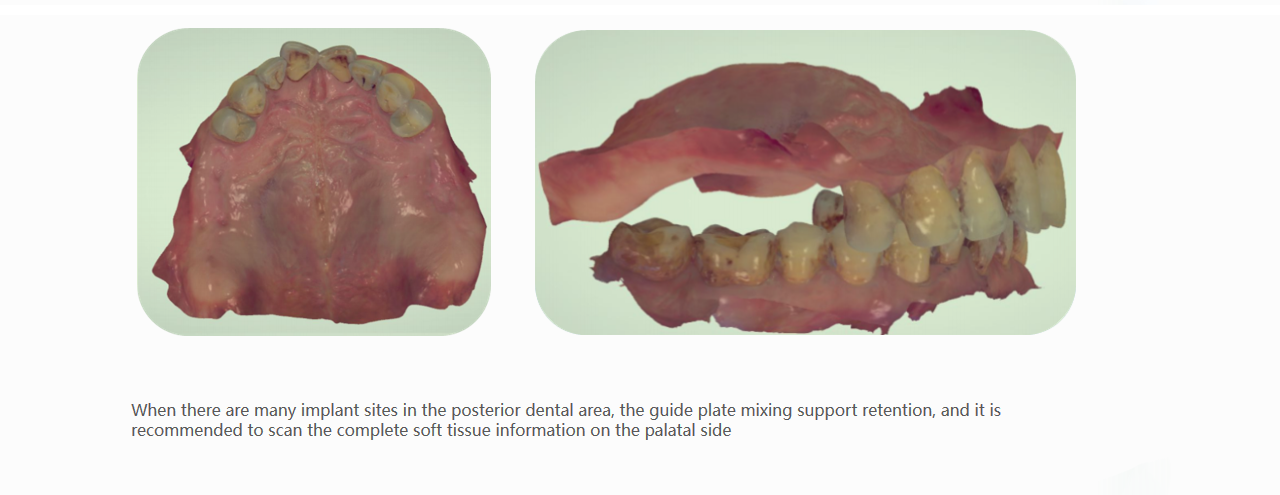
Complete Data Capture: Scan data must be crisp and clear, fully capturing all tooth surfaces, margins, and adjacent soft tissue topography.
Accurate Occlusal Alignment: The intermaxillary relationship (bite registration) must be precise and stable with no distortion.